
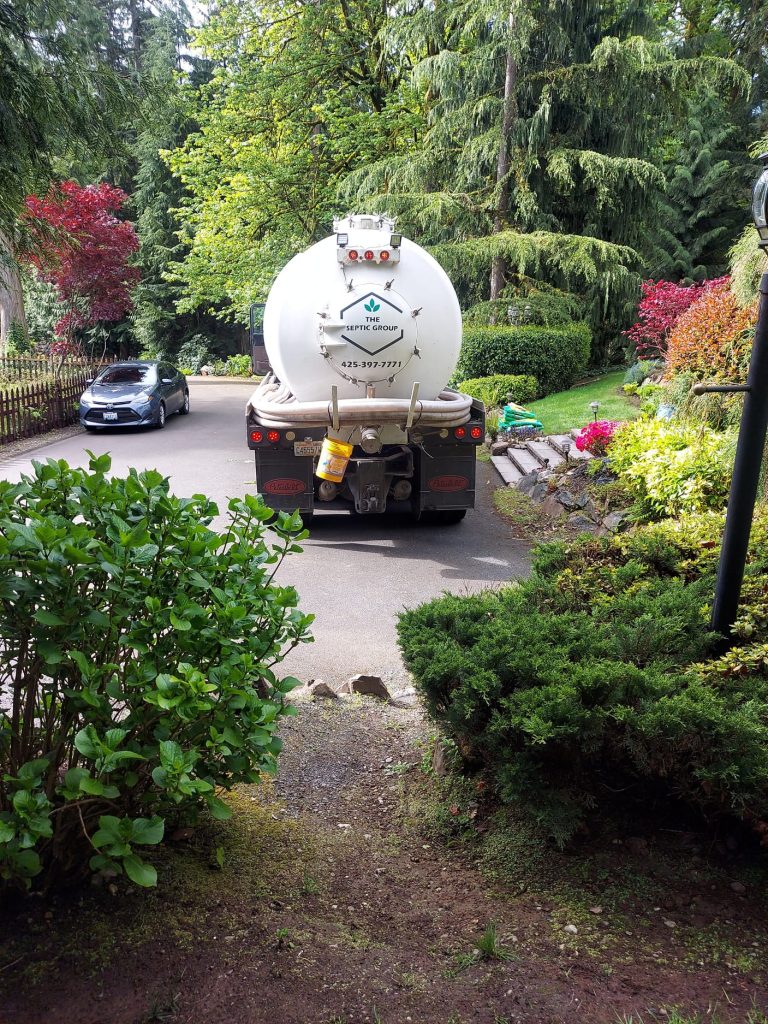
A septic tank backup can feel overwhelming. Water may rise in sinks, toilets may not flush, and you might notice strong odors. The key is to act fast. Knowing what to do immediately during a septic tank backup can help prevent damage, protect your health, and reduce repair costs.
What is a septic tank backup and why does it happen?
A septic tank backup happens when wastewater cannot flow properly through your system. Instead of moving into the tank and drainfield, it reverses direction and comes back into your home or yard.
Common causes include:
- A full septic tank that hasn’t been pumped
- Clogs in pipes or the system
- Drainfield failure
- Heavy rain saturating the soil
- Tree roots damaging underground lines
What to do immediately during a septic tank backup
If you’re dealing with a septic tank backup, take these steps right away:
1. Stop using water immediately
Turn off all water in your home. Do not flush toilets, run sinks, or use appliances like dishwashers or washing machines. More water will make the problem worse.
2. Avoid contact with contaminated water
Backup water contains harmful bacteria. Keep people and pets away from affected areas. Wear gloves if you must be near it.
3. Turn off electricity in affected areas (if safe)
If water is near outlets or appliances, shut off power to that area to prevent electrical hazards.
4. Check for obvious signs outside
Look for standing water, soggy soil, or sewage smells in your yard. This can point to a drainfield issue.
5. Call a septic professional right away
A septic tank backup is not a DIY fix. A professional can inspect the system, identify the cause, and safely resolve the issue.
How serious is a septic tank backup?
A septic tank backup is more than an inconvenience. It can:
- Damage floors, walls, and plumbing
- Create health risks from bacteria and gases
- Lead to costly repairs if ignored
Quick action can limit the damage and reduce repair costs.
Can you fix a septic tank backup yourself?
In most cases, no.
While you can take immediate steps to reduce damage, the root problem often requires professional tools and expertise. Attempting to fix it yourself can:
- Push the blockage deeper
- Damage the system
- Create safety risks
It’s best to leave diagnosis and repair to trained technicians.
How to prevent septic tank backups in the future
Prevention is the best way to avoid emergencies.
Schedule regular pumping
Most systems need pumping every 3–5 years, depending on use.
Be mindful of what goes down the drain
Avoid grease, wipes, paper towels, and harsh chemicals.
Conserve water
Spread out laundry and avoid overloading the system.
Maintain your drainfield
Keep heavy vehicles and structures off the area.
FAQs
What are the first signs of a septic tank backup?
Slow drains, gurgling pipes, bad odors, and water backing up in sinks or tubs are early warning signs.
How fast should I act during a septic tank backup?
Immediately. The sooner you stop water use and call a professional, the less damage you’ll face.
Is a septic tank backup dangerous?
Yes. It exposes you to bacteria and harmful gases, and it can damage your home.
Will pumping the tank fix a backup?
Sometimes. If the tank is full, pumping may solve the issue. If there’s a deeper problem, further repair may be needed.
Can heavy rain cause a septic tank backup?
Yes. Saturated soil can prevent proper drainage, causing wastewater to back up into your home.
Need Help With a Septic Tank Backup in Lynnwood?
The licensed Installers at The Septic Group are here to help you with your septic service and answer any questions you may have along the way.
Quality Septic Tank Backup Help in Lynnwood
Posted on April 23, 2026 | Published by Ignite Local | Related Local Business